
Introduction
The LG W30 is part of LG's new budget series of smartphones, consisting of the cheaper W10, the W30 and the W30 Pro, which will be arriving later.
The W30 is meant to be a budget smartphone and comes in at the lower end of the burgeoning mid-range Android smartphone segment. It competes against the likes of the Xiaomi Redmi 7S, Realme 3, Samsung Galaxy A20, Nokia 5.1 Plus and the ASUS ZenFone Max M2, not to mention all the new phones that keep getting launched, including the HTC Wildfire X, which was just announced.
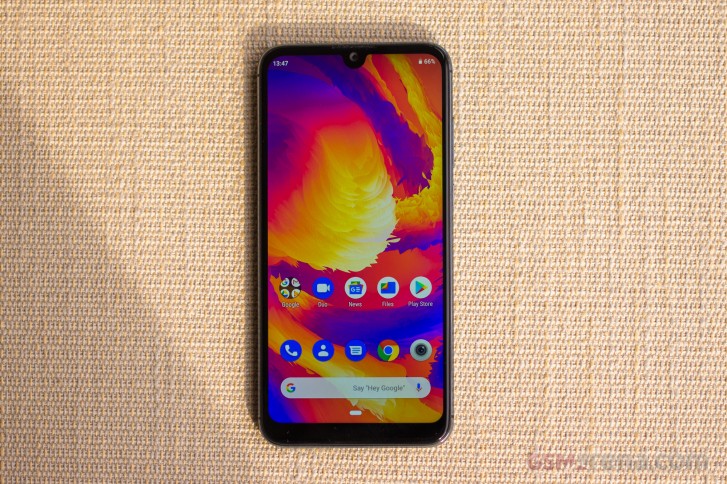
Clearly, then, LG has its work cut out for it. It doesn't help that the company hasn't been particularly successful at this end of the smartphone market and doesn't have the same pull of some of its popular rivals, despite being a much bigger brand overall.
LG W30 key specs:
- Design: Plastic back and sides, glass front
- Display: 6.26-inch, 1520x720 resolution IPS LCD, tear-drop notch
- Chipset: MediaTek Helio P22; 2.0GHz 8x Cortex-A53 CPU, 650MHz IMG PowerVR GE8320
- Memory: 3GB RAM, 32GB storage, microSD support
- Rear camera: 12MP wide-angle, 13MP ultra-wide-angle, 2MP depth sensor
- Front camera: 16MP
- Connectivity: Dual SIM, 4G LTE, dual-band Wi-Fi 802.11n, Bluetooth 4.2, GPS/GLONASS, microUSB, 3.5mm audio
- Power: 4000mAh battery, 10W charging
- Software: Android 9 Pie
- Misc: Fingerprint sensor, face unlock
On paper, at least, LG isn't winning any contests anytime soon. At a glance we can see some of the specifications lagging behind its rivals in the same price range, particularly the chipset and the display. That's obviously not going to do LG any favors in a value-conscious segment like this. However, the phone does have some interesting features, such as a dual rear camera with an ultra-wide-angle lens, a large 4000mAh battery and stock Android 9 Pie.
That last feature might just be the single biggest differentiating factor for LG in a market filled with over the top skins that customers are slowly starting to realize are increasingly convoluted and filled with gimmicky features. However, how the rest of the features and performance stack up, we will just have to find out the old fashioned way.
Design
In terms of design, LG has decided to opt for a relatively safe notched design that is found on practically every smartphone in this price range. Placed next to some of the other phones in this segment, it would be hard to pick the LG W30 over the others as they all basically look the same at this point.
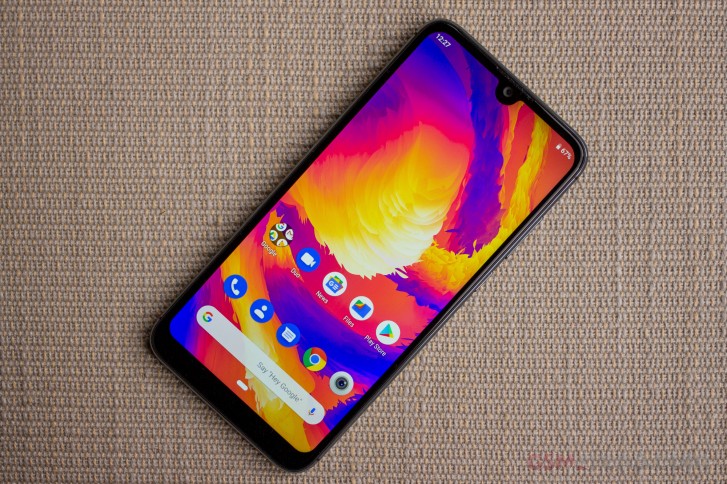
The notch on the LG W30 comes with a rather interesting software design. The actual hardware has a U-shaped notch but by default the software on the phone is set to make the notch look like a tear-drop notch. LG basically adds black space next to the notch to make it a different shape and, in practice, even larger. The logic behind this eludes us so we won't get into it. You can also make the whole top portion black so it looks like you just have a giant bezel instead of a notch.
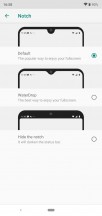
Notch settings
The bottom of the phone does have a sizable chin but we don't particularly mind it so much. It gives you some place to rest your thumb when you are watching videos on your phone.
The sides of the phone have a glossy, metallic-looking plastic that is extremely slippery. LG has even gone ahead and etched black lines near the top and bottom edge to make them look like antenna lines, which obviously aren't necessary on plastic phones.
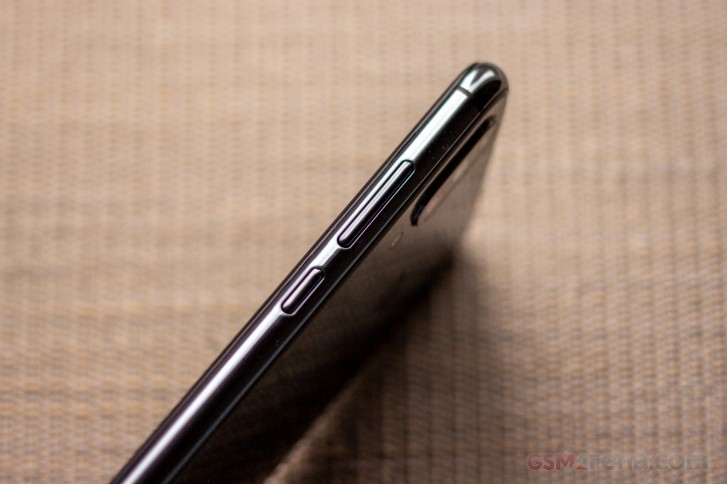
On the right side are the power and volume buttons. The buttons sit a bit too flush with the body and are hard to press. They are also mushy and generally unpleasant to use. On the top is a microphone and a headphone jack. On the left side is the SIM tray that can hold two SIM cards or one SIM and one microSD. At the bottom is another microphone, a loudspeaker and the microUSB connector.
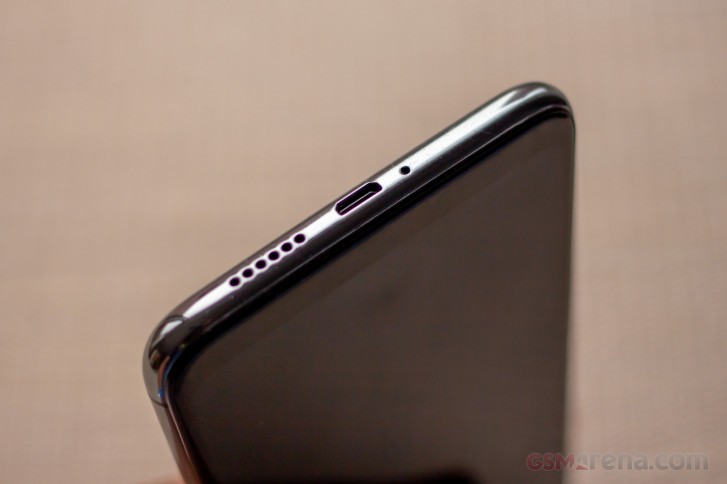
The microUSB connector continues to be the sore thumb that sticks out of most of these budget Android smartphones. Even though we have technologies like ultra-wide-angle camera, notched displays and several other features percolating down to budget devices somehow the more modern and more convenient USB-C port continues to be elusive. USB-C is only found on a handful of budget smartphones, many of which are on the higher end of what would even qualify. When we still see manufacturers insisting on using microUSB to shave a few pennies off the production costs, it just comes across as anti-consumer at this point - they really need to do better.
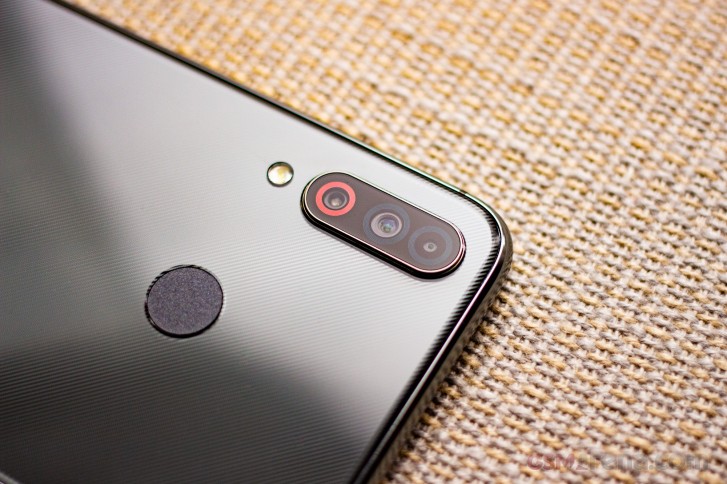
The back of the W30 has nothing remarkable going on, at least if you have the Platinum Gray model like we did, which, apart from being extremely gray also had a fine striped pattern. The Thunder Blue model has a much more interesting two-tone appearance. Found on the back are the fingerprint sensor and the triple camera setup with the LED flash.
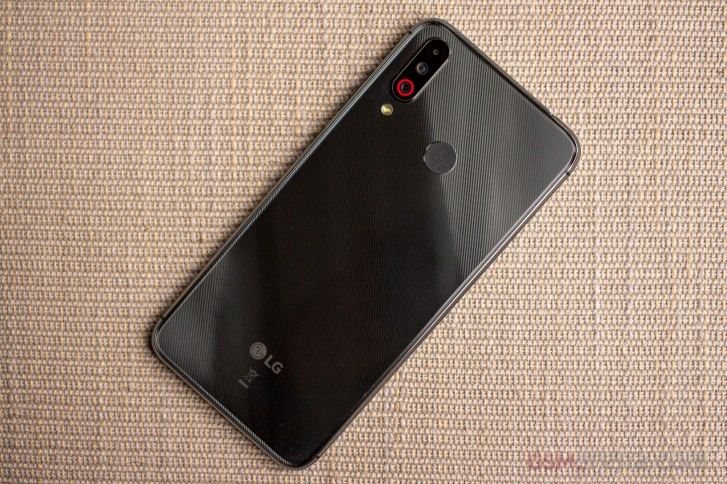
Like the sides, the back is made out of plastic and this time is mimicking glass. At just a glance, the deception is fairly successful and it did look like real glass. It's only when you knock it a few times can you tell it's actually plastic. Unfortunately, the back is extremely smudge and fingerprint prone as there doesn't seem to be any oleophobic coating of any kind. It doesn't look that bad on our gray unit but will likely show up more on the lighter colored models.
The general build quality of the device is fine for the price. It's made out of plastic and it does feel that way but it's not poorly built or finished in any way. Of course, there are devices with real metal and glass in the same price range so LG could have done better here and that just makes it fall further behind in the spec race. But in terms of how it feels in the hand the LG W30 does fine.
Display
The LG W30 has a 6.26-inch, 1520x720 resolution IPS LCD. As discussed before, the phone has a U-shaped notch at the top.
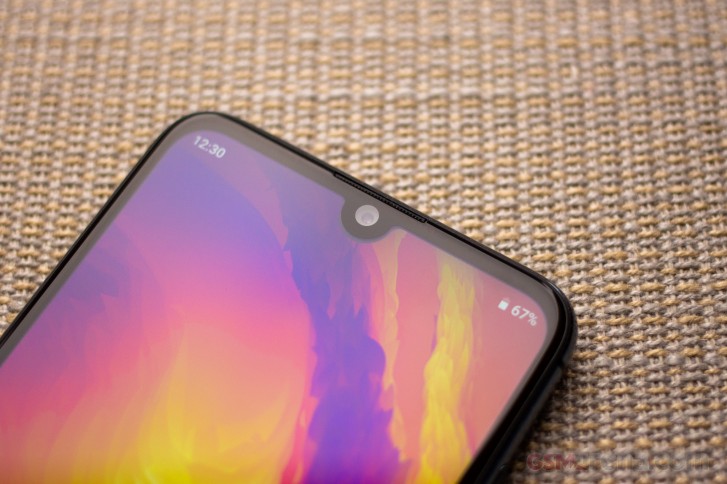
In terms of panel quality, LG clearly hasn't reached for the top-drawer stuff here. Even with a cursory glance it's obvious that the display is incapable of reproducing the entire sRGB color space, which gives the colors a faded look. A solitary display setting is available in the form of white balance control, which lets you correct the default cool blue tint by turning it up all the way.
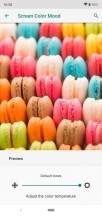
Display settings
The display is by no means bad but it definitely lacks the visual appeal of other displays in this price range. Some, however, may prefer the muted colors of the W30 and over a period of time we too tended to appreciate the closer to natural colors than the oversaturated tones that are generally found on most phones. However, we can see how others may not find that appealing.
Software
The LG W30 ships with a near stock version of Android. The OS is free of any kind of bloatware or unnecessary services of any kind. The app drawer by default is so empty it almost felt like we were running a prototype running an early build of an OS, rather than a retail unit of a production device.
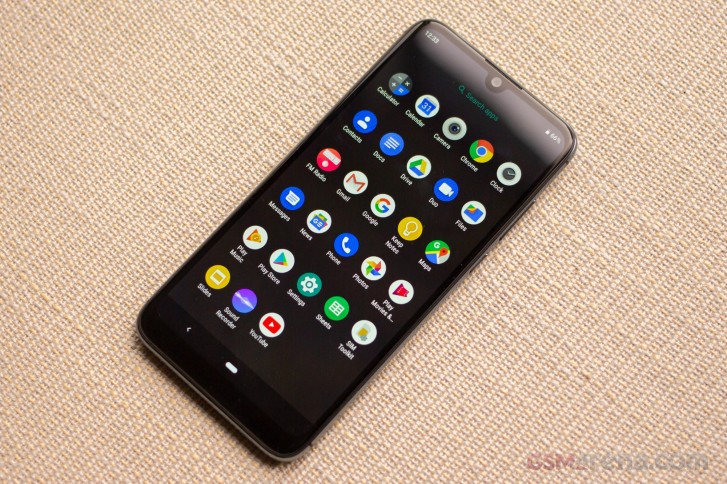
This level of simplicity and cleanliness is hard to come by. Even devices that claim to have stock Android often come packed with a bunch of apps from the manufacturer on top or some third party apps, but not the W30. For that, we tip our hat to LG.
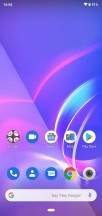
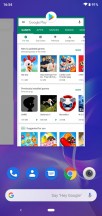
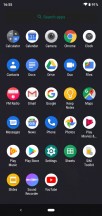
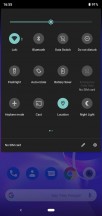
Default launcher
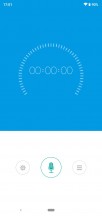
Going through the default app list, the only offending members were the three Google Docs apps (Docs, Sheets, Slides) and the Google News app, which could not be uninstalled. We wish that wasn't the case but at least they have some value and should come in handy to users. The only other app not usually found in stock Android is LG's Camera app and a Sound Recorder app. The latter records audio files in rather outdated 3gpp or AMR codecs, which is rather odd as most apps these days offer at least AAC or WAV codec options. This made the app somewhat useless and again, it could not be uninstalled.
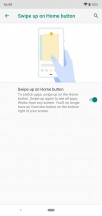
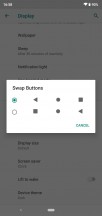
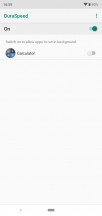
Additional features
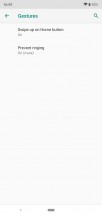
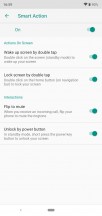
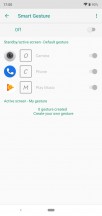
The Settings app has not seen too many additions. You can change the navigation buttons from the default, which is Pixel style two button layout that requires a swipe up to access the app switcher or a traditional three button layout. There are some gestures like double tap to wake or sleep the device, flip to mute and raise to wake. Lastly, a feature called DuraSpeed lets you select apps to run in the background so they open immediately and aren't closed by the app management.
Other than that, this is as close to stock Android as it gets. Only piece of the puzzle that's missing now is updates. LG has never been known to update its devices on time, so we aren't too thrilled about this one. Our review unit was running the May security patch well into August, so things aren't looking too good. We hope LG at least releases semi regular updates if not every month.
Performance
The LG W30 is powered by a MediaTek Helio P22 chipset with 3GB of memory and 32GB of storage. We honestly weren't expecting much from the device in terms of performance considering the age and pedigree of the chipset and somehow the W30 still managed to disappoint us.
Never mind the benchmark results, which are pretty much disastrous compared to all the other 2019 devices in its price range. Even in day to day usage the phone feels lethargic and unresponsive. Apps open and close at their own leisure and scrolling is painfully stuttery most of the time. This is quite possibly the most unpleasant user experience we have felt this year from a phone outside of some extremely low-end devices.
We understand budget devices need to cut some corners to maintain the price and profit margins. But what LG has done here in terms of choosing the chipset is less of cutting corners and more of chopping a leg off on its device. The W30 is ill-equipped to handle even daily tasks and after seeing its performance in basic apps we had neither the patience nor the willpower to try any games on it.
GeekBench 4.1 (multi-core)
Higher is better
- Xiaomi Mi A3
5686 - Xiaomi Redmi Note 7
5411 - Realme 3
4936 - ASUS ZenFone Max M2
4744 - Xiaomi Redmi Y3
4292 - Motorola One (P30 Play)
4183 - LG W30
3534
GeekBench 4.1 (single-core)
Higher is better
- Xiaomi Redmi Note 7
1650 - Xiaomi Mi A3
1531 - Realme 3
1482 - ASUS ZenFone Max M2
1257 - Xiaomi Redmi Y3
1242 - Motorola One (P30 Play)
867 - LG W30
688
AnTuTu 7
Higher is better
- Xiaomi Mi A3
140633 - Xiaomi Redmi Note 7
139075 - Realme 3
132764 - Nokia 5.1 Plus
119428 - Xiaomi Redmi Y3
103259 - ASUS ZenFone Max M2
103243 - Motorola One (P30 Play)
81024 - LG W30
76697
GFX 3.0 Manhattan (1080p offscreen)
Higher is better
- Xiaomi Redmi Note 7
22 - Realme 3
20 - Xiaomi Mi A3
20 - Nokia 5.1 Plus
16 - Xiaomi Redmi Y3
10 - ASUS ZenFone Max M2
10 - LG W30
10 - Motorola One (P30 Play)
9.8
GFX 3.0 Manhattan (onscreen)
Higher is better
- Realme 3
34 - Xiaomi Mi A3
34 - Nokia 5.1 Plus
29 - Xiaomi Redmi Note 7
19 - Xiaomi Redmi Y3
19 - ASUS ZenFone Max M2
19 - Motorola One (P30 Play)
18 - LG W30
17
3DMark SSE 3.1 Unlimited
Higher is better
- Xiaomi Redmi Note 7
1409 - Realme 3
1189 - Xiaomi Mi A3
1131 - ASUS ZenFone Max M2
579 - Xiaomi Redmi Y3
565 - LG W30
514
Camera
The LG W30 has a triple camera system, which is really just two cameras consisting of a 12MP primary wide-angle and a 13MP ultra-wide-angle camera. The third camera is just a 2MP depth sensor for the portrait mode images.
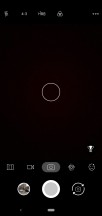
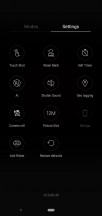
The camera software is extremely bare-bones, with just a handful of modes and some quick toggles to switch to video or the ultra-wide-angle lens.

Camera app
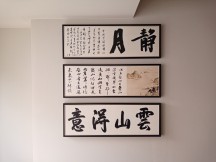
In terms of image quality, the main 12MP camera is quite ordinary. The level of detail is adequate as long as the subject is relatively close to the lens but in landscape shots things tend to get a bit fuzzy. The dynamic range also isn't particularly good. The only good thing is the color rendering and the general white balance, which tended to be quite accurate.





General camera samples
The ultra-wide-angle lens was reasonably sharp with good details. However, there was noticeable distortion around the edges, which could not be corrected from within the phone. The ultra-wide-angle lens images also had a very different color and white balance profile and often delivered significantly more saturated and cooler images for the same scene compared to the standard wide-angle lens.




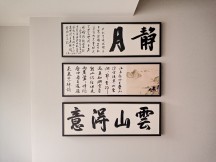
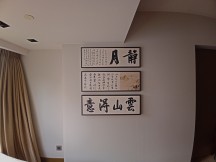






Wide-angle vs ultra-wide-angle
The HDR mode generally worked well, bringing out more detail in both the highlights as well as the shadows. However, in some scenes, especially outdoors under the sun, the HDR mode tended to desaturate the images a bit.
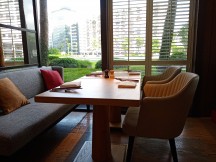
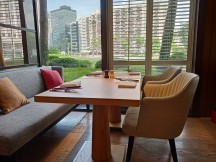
HDR Off • HDR On • HDR Off (ultra-wide) • HDR On (ultra-wide)
The video quality is decent. Both lenses produce reasonably sharp 1080p videos. Unfortunately, there's no image stabilization so it ends up being quite shaky even if you're standing still.
Battery life
With a 4000mAh battery and a rather underpower chipset, it's no wonder that the LG W30 managed to get good battery life out of a single charge. We had no issues getting through an entire day on this phone with 5-6 hours of screen time.
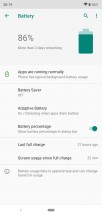
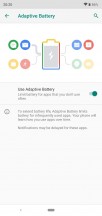
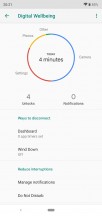
Battery options
Unfortunately, there's no fast charging support on this phone and with only a 10W charger supplied in the packaging it's best to do all your charging overnight.
Conclusion
With the LG W-series and the W30 in particular, LG seems to be trying to get a footing into the competitive budget mid-range Android smartphone segment. And while the W30 does bring some interesting things to the table, such as the clean, stock build of Android, an ultra-wide-angle camera and a large battery, it's really let down by one thing: performance.
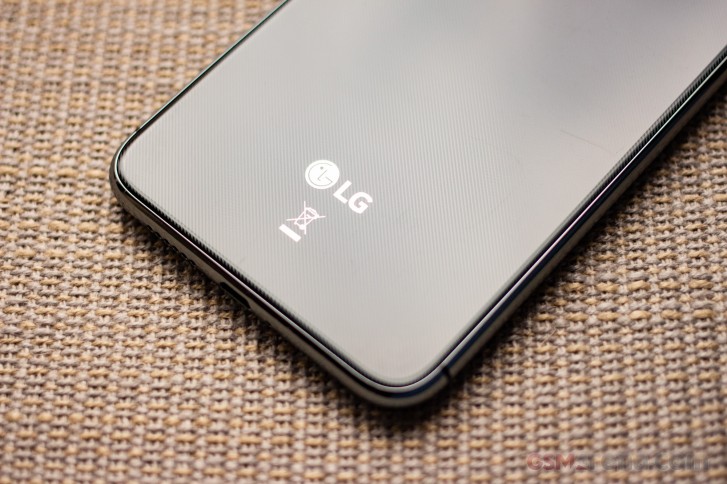
At the end of the day, it really didn't matter to us how the phone performed in other areas when the UI responsiveness and the resulting user experience was so bad. To think something so important would be so low on LG's list of priorities with this device is truly baffling. None of the extra features matter if the most basic aspect of the device is inadequate.
It's for that reason, we simply cannot recommend this device to anyone. LG needs to take this as a learning experience and come back again with a better offering at the same time if it intends to be relevant in this segment. The company has the expertise to do it and decisions like going with stock Android are a step in the right direction but it just needs to be less tightfisted regarding how much hardware it is offering for the price and make compromises in the right areas.

No comments:
Post a Comment